Good art can lose its value when it is saved in the wrong file type. A small JPG may look clear on a phone. But when you make it big for a sign, it may look blurry. A clean vector file can fix this problem. It uses lines, curves, and shapes instead of fixed pixels. So, the art can stay sharp when you make it big or small.

If you need Vector Art Conversion Services, the goal is to turn your art into a clean file that is easy to edit, resize, print, and use. A skilled artist can trace shapes, fix curves, match colors, and clean rough edges. This is useful for logos, shirts, signs, labels, packs, web art, and brand work.
What Is Vector Art?
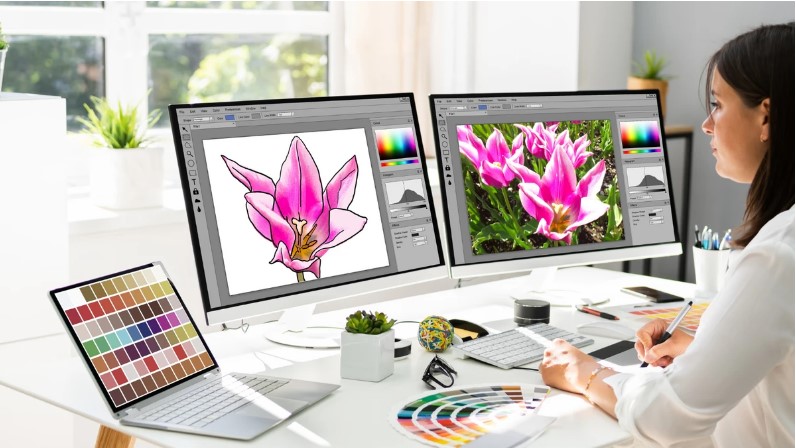
Vector art is made with lines, points, curves, and shapes. It does not use a set grid of pixels like a JPG or PNG.
This means you can resize a vector file without the same loss of sharpness. The lines stay clean. The edges stay smooth.
Common vector file types include:
- AI
- EPS
- SVG
The best file type will depend on how you plan to use the art.
Vector vs. Raster Images
Raster files are made from pixels. Common raster files include:
- JPG
- PNG
- BMP
- TIFF
A raster image may look great at its set size. But if you make it much larger, the edges may look rough.
Vector art works in a different way. Its paths can grow or shrink while keeping smooth edges. This makes vector art a good fit for print and brand work.
Why Turn Artwork Into a Vector File?
Many firms have old logos saved as small image files. Some may only have a JPG from a web page. That may not be enough for a large print job.
A vector file gives you more options. You can use the same art on a small card and a large sign.
Common Uses for Vector Art
Vector art can help when you need to:
- Resize a logo
- Print a large sign
- Make shirt art
- Create labels
- Make clean print files
- Edit colors
- Build brand files
- Make art for hats
- Prep art for embroidery
A clean file also gives your design team more control.
Start With the Best Art You Have
The source art can affect the work. A clear image gives the artist more to work with. But a poor image can often be rebuilt too.
Try to send the best file you have. Good source files may include:
- JPG
- PNG
- Scan
- Screen shot
- Old logo file
Also tell the artist how you plan to use the art. A logo for a web page may need a different setup from one for a sign or shirt.
How Vector Art Conversion Works
Vector work is more than putting a JPG into a design app. Good work often needs care by hand.
Step 1: Check the Artwork
The artist first looks at the full image.
They check:
- Shapes
- Lines
- Text
- Colors
- Curves
- Small parts
- The back or base
This helps them plan the work.
Step 2: Trace the Main Shapes
The main parts are rebuilt with vector paths.
Smooth curves are key. Too many points can make a curve look rough. Too few can change the shape.
Good tracing uses the right mix of points. This keeps the art clean and close to the source.
Step 3: Fix Small Details
Some small parts may not work well in print. A thin line may need to be made a bit wider. A tiny gap may need more space.
The aim is not to change the whole look. It is to make the art work well in real use.
Step 4: Match the Colors
Colors should be matched as close as the source allows.
This is key for brand art. If you have brand color codes, share them with the artist. This can help keep the same look across print jobs.
Step 5: Clean the File
The final file should be neat.
It should not have:
- Extra points
- Hidden shapes
- Lost marks
- Unwanted lines
- Parts that are not in use
A clean file is much easier to edit later.
Why Smooth Curves Matter
Curves are a key part of good vector art. A poor trace can add small bumps to the edge. You may not see them at a small size. But they can stand out when the art gets big.
Good curves are very useful for:
- Logos
- Circles
- Badges
- Text
- Icons
- Product art
This is one reason hand tracing can be a good choice for key brand art.
Keep Text Clean
Text needs care too.
If the font is known, the artist can use the same font when they build the file. If the font is not known, the text may need to be traced.
Why Text May Need Outlines
Text can be changed into shapes. This is called an outline.
It helps stop font issues when the file is opened on a new PC. The text will not rely on the same font being on that PC.
This can be very useful for logos and print files.
Remove Unwanted Backgrounds
Many old images have a box or other parts that you do not need.
For example, a logo may have a white box around it. The new vector file can remove the box and keep just the logo.
This can make the art much more useful for:
- Shirts
- Signs
- Labels
- Stickers
- Packs
- Promo goods
Make the File Easy to Edit
A good vector file should be well set up.
Each part should be easy to pick and change. Colors should be easy to edit. Shapes should be clean.
This saves time when you need a new logo color or a new brand style.
Keep More Than One Version
For brand work, it can help to keep a few file types or logo forms:
- Full-color logo
- One-color logo
- Black logo
- White logo
- Wide logo
- Tall logo
You may not need all of them. But they can save time in future jobs.
Vector Art for Print
Print is one of the main uses for vector art.
A clean vector logo can work for both small and large print jobs. It can be used for:
- Cards
- Posters
- Banners
- Signs
- Flyers
- Product tags
- Packs
Before you send the file to a print shop, ask what file type they need. This can help avoid delays.
Vector Art for Apparel
Vector art is also useful for shirts and other clothes.
It can be used for:
- Screen print
- Heat transfer
- Vinyl cut
- Promo wear
The art may need small changes based on the print method. For example, a very thin line may not work well with some methods.
Vector Art for Embroidery
Vector art can also help with embroidery. But it is important to know that a vector file is not an embroidery file.
An embroidery machine needs stitch data. The vector file can give a digitizer clean shapes to use when planning those stitches.
What Clean Vector Art Can Help With
A good vector file can make it easier to plan:
- Stitch type
- Stitch path
- Stitch flow
- Stitch density
- Underlay
- Color order
- Shape size
The final embroidery file still needs proper digitizing. The vector file is only the art base.
Common Vector Conversion Mistakes
Using Only Auto Trace
Auto trace can work well for very simple art. But it can add too many points. It may also make curves rough.
For logos and key brand art, hand cleanup can give better results.
Keeping Every Tiny Detail
Not every small part needs to stay.
Tiny marks may not print well. They can also make the file hard to edit. Good art work keeps the main look while making small changes when needed.
Using Too Many Points
Too many anchor points can make curves look uneven.
Clean paths are often better. They are also easier to edit.
Forgetting Color Needs
The color on your screen may not look the same in print.
Talk about color needs before the work starts. If you have set brand colors, share them.
How to Pick a Vector Art Service
The right service can save time and help you get a better file.
Check the Work Samples
Look for real before-and-after work.
Check for:
- Smooth curves
- Clean edges
- True shapes
- Clear text
- Good color match
A strong work sample can tell you a lot about the skill of the artist.
Ask If the Work Is Done by Hand
Ask how the file will be made.
For detailed art, hand tracing and clean-up can give the artist more control. It can also help with hard shapes and small parts.
Ask What Files You Get
Before you order, ask which files are part of the job.
You may need:
- AI
- EPS
- SVG
Make sure the file you get will work for your next job.
Why Experience Matters
Vector work is not just about knowing design software. The artist also needs to know how art will work in real life.
A logo for a web page may need one setup. The same logo for a large sign may need another. A logo for embroidery may need more changes.
This is where real work experience helps.
Absolute Digitizer focuses on clean art that can support print, brand, apparel, and embroidery work. Careful tracing and file clean-up can make the art easier to use across many projects.
A Simple Vector File Check
Before you approve the final file, check these points:
- Are the edges smooth?
- Are the curves clean?
- Are the colors right?
- Is the old background gone?
- Is the text correct?
- Are there any extra shapes?
- Is the file easy to edit?
- Is the size right?
- Did you get the file type you need?
- Does the new art match the old design?
If the answer is yes to all ten, your file should be ready for many common uses.
Final Thoughts
Turning a low-quality image into clean vector art can make a big change. A good vector file stays sharp when you resize it. It also gives you more control over shapes, colors, and text.
The work should include careful tracing, smooth curves, clean paths, good color match, and proper file setup. Hand work can be very useful for logos and detailed art.
Absolute Digitizer can help businesses prepare clean vector art for print, brand work, apparel, embroidery, and other uses. With a well-made vector file, you can use the same art in many places while keeping a clean and sharp look.