
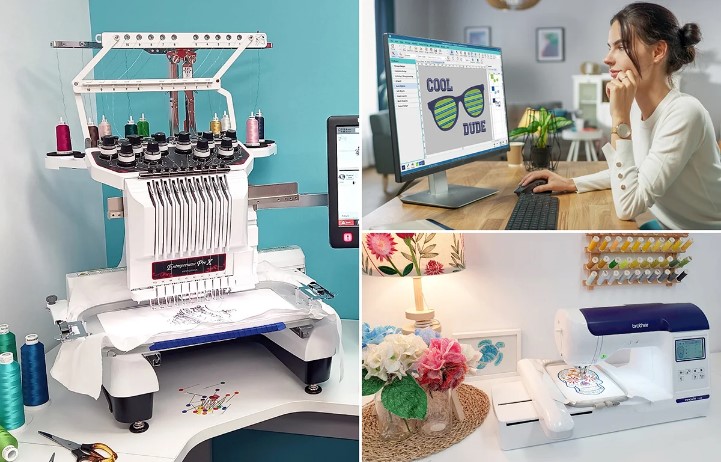

Embroidery is one of the best ways to display a logo on shirts, caps, jackets, bags, and many other products. It gives a professional look and helps businesses build a strong brand image. However, before a logo can be stitched on fabric, it must be prepared correctly for the embroidery machine.
Many businesses choose to Convert Logo to VP3 Embroidery Format before production because embroidery machines cannot read regular image files. A logo saved as a JPG, PNG, or PDF only contains visual information. A VP3 file contains stitch instructions that guide the machine during embroidery. Converting a logo into the correct embroidery format helps improve stitch quality, production speed, and overall embroidery results.
In this guide, we will explain why VP3 files are important, how the conversion process works, and why proper file preparation plays a major role in successful embroidery production.
What Is a VP3 Embroidery File?
A VP3 file is a machine-readable embroidery format.
It is commonly used by embroidery machines that require stitch-based design files.
Unlike image files, a VP3 file contains embroidery instructions.
Information Stored in a VP3 File
A VP3 file contains:
- Stitch locations
- Stitch types
- Thread colors
- Stitch direction
- Sewing sequence
- Density settings
This information helps the machine create the design accurately.
Why VP3 Files Matter
Without a VP3 file, the machine does not know how to stitch the logo.
The file acts as a roadmap for embroidery production.
Why Image Files Cannot Be Used Directly
Many beginners believe they can upload a logo image directly into an embroidery machine.
This is not possible.
Images Are Not Stitch Files
A JPG or PNG only shows a picture.
It does not contain stitch instructions.
Machines Need Commands
Embroidery machines need detailed directions.
They must know:
- Where to stitch
- How many stitches to use
- Which stitch type to apply
The machine depends on this information.
What Does It Mean to Convert a Logo?
Converting a logo means transforming artwork into embroidery data.
This process is called embroidery digitizing.
The Goal of Digitizing
Digitizing creates a file that embroidery machines can understand.
It converts artwork into stitch instructions.
More Than Simple File Conversion
Digitizing is not just changing the file extension.
It requires planning and embroidery knowledge.
Each part of the logo must be prepared for stitching.
How the Conversion Process Works
The process involves several important steps.
Step 1: Reviewing the Logo
The digitizer studies the artwork.
Important details include:
- Logo size
- Text elements
- Fine details
- Colors
- Fabric type
This helps determine the best digitizing approach.
Step 2: Creating Stitch Objects
Each logo section is recreated using embroidery software.
Different stitch types are assigned to different areas.
Step 3: Planning Stitch Directions
Stitch angles are selected carefully.
This improves appearance and texture.
Step 4: Applying Density Settings
Density settings control thread coverage.
Balanced density improves embroidery quality.
Step 5: Exporting the VP3 File
The completed design is saved as a VP3 embroidery file.
The file is now ready for production.
Why Proper Conversion Improves Stitch Quality
Good embroidery starts with a well-prepared file.
Cleaner Lettering
Proper digitizing helps text remain clear and readable.
Sharper Logo Details
Important design elements stay visible.
Better Stitch Flow
Balanced stitch paths improve machine performance.
Reduced Distortion
Correct settings help maintain logo shape.
These improvements create professional embroidery results.
Understanding Common Stitch Types
Different parts of a logo require different stitches.
Running Stitch
Running stitches work well for:
- Fine details
- Thin outlines
- Small elements
Satin Stitch
Satin stitches are often used for:
- Text
- Borders
- Narrow shapes
They create a smooth finish.
Fill Stitch
Fill stitches cover:
- Large areas
- Background sections
- Solid shapes
Each stitch type serves a specific purpose.
Why Stitch Density Matters
Density refers to how closely stitches are placed together.
Too Much Density
Excessive density may cause:
- Thread breaks
- Stiff embroidery
- Fabric puckering
Too Little Density
Low density may create:
- Gaps
- Weak coverage
- Poor appearance
Balanced density improves embroidery quality.
The Importance of Underlay Stitches
Underlay stitches sit beneath the visible embroidery.
Although hidden, they play an important role.
Supporting Fabric Stability
Underlay helps keep the material stable.
Improving Stitch Coverage
Top stitches sit more evenly.
Creating Cleaner Edges
Design outlines appear sharper.
Good underlay helps improve overall embroidery quality.
Why Fabric Type Affects Digitizing
Every fabric behaves differently during embroidery.
Cotton
Cotton is generally stable and easy to stitch.
Performance Fabrics
Stretch fabrics often require special settings.
Caps
Caps need different digitizing techniques.
Towels
Textured materials require additional planning.
Professional digitizers adjust files based on the fabric type.
Common Problems Caused by Poor File Conversion
Poor digitizing often creates production problems.
Thread Breaks
Incorrect settings may place stress on thread.
Fabric Puckering
Improper density can distort the material.
Distorted Logos
Poor compensation affects design shape.
Unclear Text
Small lettering may become difficult to read.
Professional digitizing helps avoid these issues.
How VP3 Files Improve Production Efficiency
Machine-ready files support smoother production.
Faster Machine Operation
Well-planned stitch paths reduce machine movement.
Fewer Production Errors
Accurate files help reduce mistakes.
Less Material Waste
Fewer errors mean less wasted fabric and thread.
Better Consistency
The same logo can be reproduced repeatedly.
These advantages improve overall efficiency.
Why Businesses Choose Professional Digitizing
Many companies trust professional digitizers because embroidery requires specialized knowledge.
Understanding Stitch Behavior
Experienced digitizers know how stitches behave on fabric.
Managing Complex Logos
Detailed artwork often requires manual adjustments.
Improving Production Performance
Optimized files help machines run more smoothly.
Delivering Consistent Results
Professional files create repeatable embroidery quality.
This expertise helps businesses achieve better outcomes.
Industries That Depend on VP3 Embroidery Files
Many industries rely on embroidery for branding.
Corporate Businesses
Companies use embroidered uniforms and promotional products.
Schools and Colleges
Educational organizations use embroidered apparel.
Sports Teams
Teams add logos and names to uniforms.
Healthcare Organizations
Medical staff often wear embroidered uniforms.
Hospitality Businesses
Hotels and restaurants frequently use embroidered branding.
VP3 files support all of these applications.
Why Brand Consistency Matters
Brand consistency is important for every business.
Professional Appearance
Consistent logos help create a polished image.
Stronger Recognition
Customers recognize familiar branding more easily.
Increased Trust
Professional presentation builds confidence.
Embroidery plays a major role in maintaining brand standards.
At Digitizing Buddy, every embroidery file is carefully prepared to help businesses achieve accurate and consistent logo embroidery.
Long-Term Benefits of Converting Logos to VP3
A professionally digitized VP3 file provides long-term value.
Better Embroidery Quality
Designs look cleaner and more professional.
Faster Production
Machines operate more efficiently.
Reduced Costs
Fewer errors help reduce waste.
Reusable Files
The same file can be used for future orders.
These benefits make professional digitizing a smart investment.
Digitizing Buddy helps businesses create machine-ready embroidery files that support dependable production and high-quality stitching.
Building Trust Through Quality Embroidery
Customers often judge a business by its presentation.
A clean embroidered logo creates a positive impression.
Consistent embroidery shows attention to detail.
It reflects professionalism and reliability.
Digitizing Buddy understands the importance of creating embroidery files that support strong branding and dependable embroidery results.
Final Thoughts
Converting a logo into a VP3 embroidery format is one of the most important steps in embroidery production. While image files only display artwork, VP3 files contain the stitch instructions needed for embroidery machines to create the design accurately.
Proper digitizing helps improve stitch quality, reduce production problems, and create cleaner embroidery. From stitch planning and density control to underlay and fabric adjustments, every detail contributes to the final result.
By converting logos into professional VP3 embroidery files before production, businesses can achieve better embroidery quality, stronger brand consistency, and more reliable production outcomes for years to come.