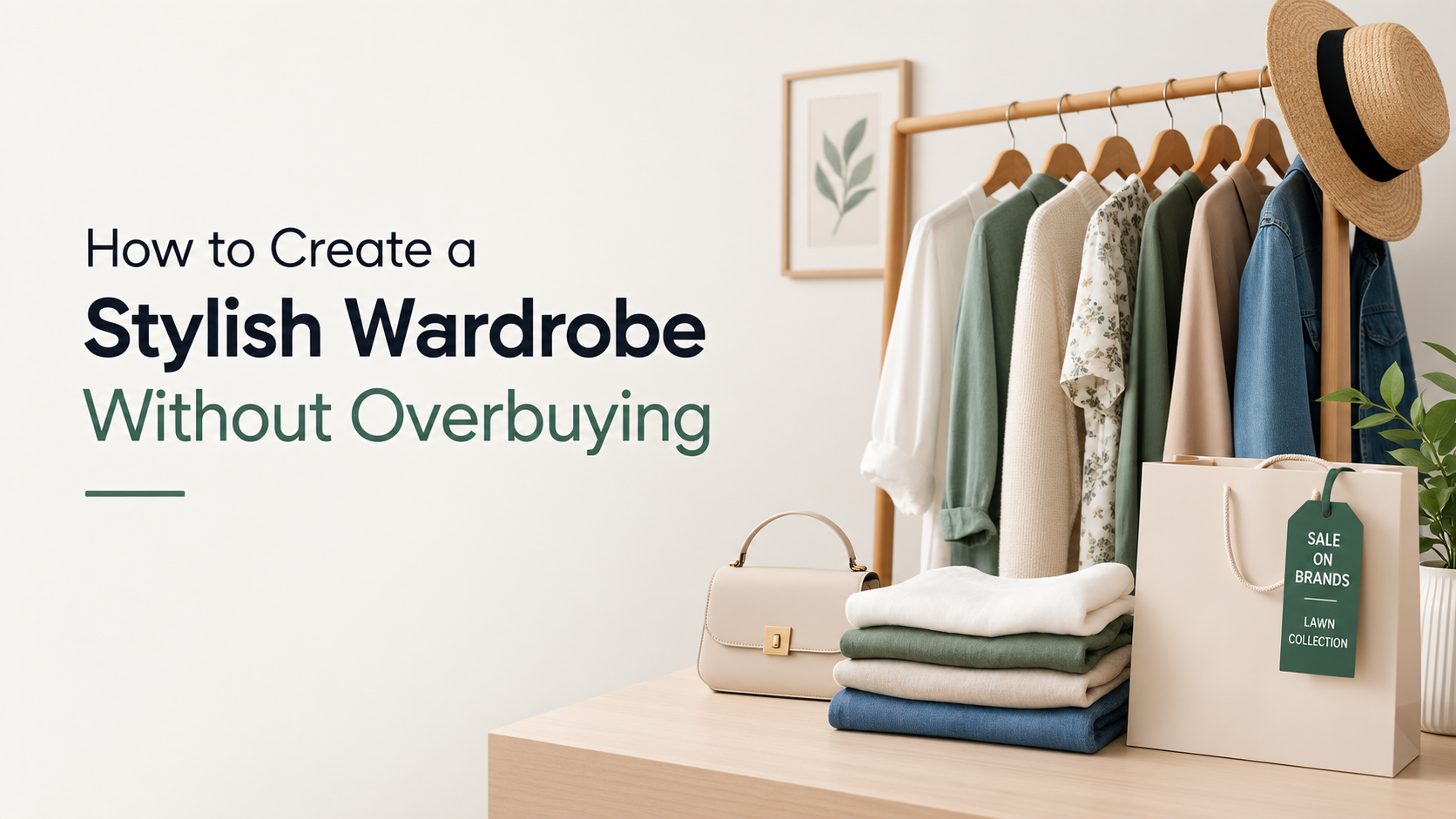
A stylish wardrobe does not have to mean a closet packed with clothes. In fact, having fewer carefully chosen pieces can make getting dressed easier, reduce unnecessary spending, and help you develop a more consistent personal style.

The key is to shop with intention. Instead of buying something simply because it is trending or discounted, focus on pieces that work with what you already own and can be styled for different occasions.
Here are some practical ways to build a stylish wardrobe without overbuying.
1. Start With What You Already Own
Before shopping for new clothes, take a close look at your existing wardrobe. You may already have more versatile pieces than you realize.
Separate your clothes into categories such as:
- Everyday essentials
- Workwear
- Formal outfits
- Seasonal clothing
- Occasion wear
- Items you rarely wear
This makes it easier to identify genuine gaps in your wardrobe. If you already have several similar shirts or trousers, buying another one may not add much value.
A wardrobe review can also remind you of pieces you have forgotten about and inspire new outfit combinations.
2. Define Your Personal Style
Shopping becomes much easier when you understand what you actually like to wear.
Think about the colors, silhouettes, fabrics, and outfit styles you naturally choose. Your wardrobe should reflect your lifestyle rather than simply copying every fashion trend.
For example, someone who prefers simple everyday outfits may benefit more from versatile separates than from highly seasonal statement pieces.
Having a clear sense of personal style also makes it easier to say no to purchases that look attractive in a store but are unlikely to become regular favorites.
3. Prioritize Versatile Pieces
The most useful clothes are often those that can be styled in several ways.
A versatile shirt, for example, can be worn with trousers for work, paired with jeans for a casual look, or layered under a jacket for a more polished outfit.
When considering a purchase, ask yourself:
- Can I create at least three outfits with this?
- Does it work with clothes I already own?
- Can I wear it for more than one occasion?
- Will I still want to wear it next season?
If the answer to most of these questions is yes, the item is more likely to earn its place in your wardrobe.
4. Choose Quality Over Quantity
Buying fewer, better-made pieces can be more practical than constantly replacing inexpensive clothing.
Pay attention to fabric quality, stitching, fit, construction, and care requirements. A well-made garment that remains comfortable and attractive after repeated use can provide much more value than several pieces that quickly lose their shape or appeal.
This does not mean every item needs to be expensive. The goal is to consider durability and usefulness alongside price.
5. Shop According to Your Lifestyle
Your wardrobe should work for your actual routine.
If you spend most of your time in casual settings, investing heavily in formal outfits may not make sense. Similarly, if you regularly attend professional meetings or social events, you may need more polished options.
Consider where you spend most of your time and what types of clothing you genuinely need.
A practical wardrobe usually contains a balance of everyday essentials, work-appropriate pieces, seasonal clothing, and a few outfits for special occasions.
6. Be Strategic During Sales
Sales can be a great opportunity to save money, but discounts can also encourage unnecessary purchases.
Seeing a large discount does not automatically make something a good buy. The real question is whether you would have considered purchasing the item at all if it were not discounted.
When browsing a sale on brands , create a list of the pieces you actually need before looking at the offers. This can help you stay focused and avoid buying clothes simply because they appear to be a bargain.
A good deal is only valuable when the item adds something useful to your wardrobe.
7. Make Seasonal Purchases Carefully
Seasonal fashion can quickly increase the number of clothes in your closet. Instead of buying an entirely new wardrobe every season, update a few key pieces.
For warmer weather, lightweight fabrics and breathable outfits can make a noticeable difference. A well-chosen lawn collection , for example, can provide comfortable seasonal options while allowing you to refresh your wardrobe without purchasing excessive quantities.
Choose colors and designs that complement pieces you already own so that new additions can be mixed and matched.
8. Follow the One-In, One-Out Rule
A simple way to prevent your wardrobe from becoming overcrowded is to adopt a one-in, one-out approach.
Whenever you purchase a new item, consider removing something similar that you no longer wear. For example, if you buy a new pair of everyday trousers, look through your wardrobe and identify an older pair that has not been worn in months.
The outgoing item can be donated, sold, recycled, or repurposed depending on its condition.
This keeps your wardrobe at a manageable size and encourages you to think carefully about every new purchase.
9. Avoid Buying for an Imaginary Lifestyle
One of the easiest ways to overbuy is purchasing clothes for occasions that rarely happen.
You might buy an outfit because you imagine wearing it to a particular event, vacation, dinner, or social gathering. But if those occasions are uncommon, the item may spend most of its life hanging in your closet.
Instead, prioritize clothing that fits your current lifestyle. You can always purchase something specific when you actually have an event or occasion that requires it.
10. Build Around a Consistent Color Palette
Choosing a practical color palette can make a smaller wardrobe feel much larger.
Start with a few neutral shades that work well together, then introduce your preferred accent colors through shirts, dresses, scarves, accessories, or other statement pieces.
When most of your wardrobe coordinates, you can create more combinations from fewer garments.
This also makes shopping easier because you have a better idea of which colors will complement your existing clothes.
11. Give Yourself a Waiting Period
Impulse purchases are often the biggest contributor to an overcrowded wardrobe.
Before buying something that was not already on your shopping list, give yourself a little time to think about it. A 24- or 48-hour waiting period can help you determine whether you genuinely want the item or simply reacted to a trend, promotion, or attractive display.
If you still want it after the waiting period and can identify several ways to wear it, it may be worth considering.
12. Think About Cost Per Wear
The price tag does not tell the whole story.
A moderately priced item worn dozens of times can offer better value than a cheaper piece worn only once or twice.
For example, a versatile outfit that works for work, casual occasions, and social events may provide considerably more value than a highly specific garment that only suits one occasion.
Thinking about cost per wear encourages you to focus on usefulness rather than simply finding the lowest price.
13. Refresh Your Wardrobe With Small Changes
You do not always need completely new outfits to make your wardrobe feel fresh.
Small additions such as accessories, layering pieces, new styling combinations, or different footwear can change the appearance of clothes you already own.
Try pairing familiar pieces in ways you have not used before. You may discover that an older item works perfectly with something already in your closet.
Build a Wardrobe That Works for You
Creating a stylish wardrobe is less about owning more and more about making better choices. Understanding your personal style, prioritizing versatile pieces, shopping according to your lifestyle, and avoiding impulse purchases can help you build a collection of clothes that you actually enjoy wearing.
Sales and seasonal collections can still be part of smart shopping. The important thing is to focus on value, quality, versatility, and how well each purchase fits into your existing wardrobe.
A thoughtfully planned wardrobe can give you plenty of outfit options without filling your closet with clothes you rarely wear.